Why Home Pest Inspections Matter in Windsor
If you live in Windsor, Ontario, a home pest inspection is one of the most practical steps you can take to protect your property. In a border city with historic housing, river-adjacent moisture, and wide seasonal swings, pests often manage into homes before homeowners see the signs. A thorough property inspection helps identify an infestation early, so a professional technician can recommend the right treatment plan before the issue leads to expensive repairs.
For many households, calling for pest control Windsor is about more than removing visible bugs or rodents. It is about spotting structural vulnerabilities, understanding risk factors, and preventing structural pest damage that can affect insulation, wiring, drywall, and framing. In Windsor, pests often exploit sealed gaps that are not actually sealed, especially around older foundations, utility lines, and weathered siding.
Because the city experiences cold winters and humid summers, pest pressure varies throughout the year. That makes inspection and prevention a year-round concern. A well-timed inspection gives you early detection, helps guide monitoring, and supports longer-term long-term control rather than short-term fixes.
Frequent Infestations Present in Windsor Homes
Homes across Windsor can encounter a wide range of pest concerns, but some species are especially common in neighbourhoods from Riverside to Walkerville and into the east-end. The most frequent calls involve ants, cockroaches, mice, and wasps, though homeowners also report bed bugs, spiders, and rats.
Ant control often becomes necessary when ants find food sources in kitchens, pantries, or wall voids. Once they establish nesting locations, they can move through entry points as small as tiny cracks near windows and pipes.
Cockroaches are usually linked to sanitation issues, moisture, and hidden harborage around appliances, basements, and utility areas. They are resilient and can spread quickly if not addressed with proper integrated pest management.
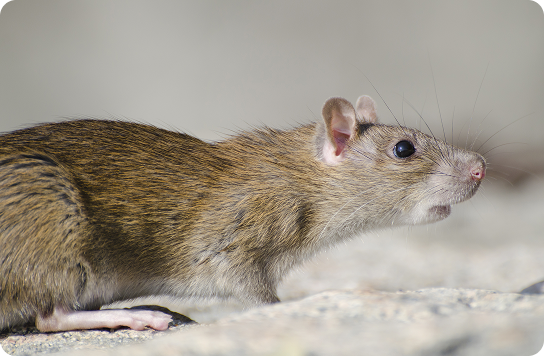
Mice and rats are especially concerning in homes with older foundations or gaps around service penetrations. These rodents are skilled at finding entry points and creating nesting areas in attics, basements, and wall cavities. Effective rodent control depends on both exclusion and sanitation.
Wasps become a bigger issue during warmer months, particularly around eaves, decks, sheds, and roof edges. Nesting can start small and become a recurring problem if not removed properly. In addition, bed bugs remain a concern in dense residential areas and can spread through multi-unit buildings or after travel.
Other pests, including spiders, may not always cause direct damage, but they often signal a broader insect issue or favourable indoor conditions. A proper assessment looks beyond the obvious pest to the conditions that support it.
Warning Signs You Need an Inspection for Pests
Property owners often delay until a concern is obvious, but the sooner you notice evidence of pest activity, the better. A professional inspection can confirm whether the issue is active, where it is concentrated, and what kind of infestation is growing.
One of the most common warning signs is droppings. Rodent droppings may appear near food storage, under sinks, in cupboards, or along baseboards. In attics and basements, droppings may indicate a hidden nesting area or regular movement between feeding sites.
Gnaw marks are a further strong clue, especially when found on wood, cardboard, plastic containers, or electrical wiring. Mice and rats chew continuously, and those marks may reveal active travel routes or food access points.
If you notice sawdust or frass, that can indicate wood-destroying insects or nesting activity in cavities, trim, or structural members. This kind of residue deserves prompt evaluation because it may connect to damage that is not visible from the surface.
Musty odours can also be a red flag. A lingering damp smell in a basement, crawlspace, or attic may point to moisture problems, hidden nesting, or microbial growth that attracts pests. Since pests often are drawn to humid or sheltered spaces, odour changes deserve attention even when you do not see the pest itself.
Other signs include scratching sounds in walls, grease marks, shredded insulation, or sudden activity near food or pet dishes. If you are seeing any combination of these clues, a timely assessment can help pinpoint the source and halt the issue from expanding.
What a Professional Inspection Entails
A careful pest inspection is more than a quick look around the kitchen. It follows an inspection checklist designed to detect current pest activity, likely entry routes, and the conditions that support future infestations. The goal is to evaluate both the pest and the property.
An interior inspection usually starts in high-risk areas such as kitchens, laundry rooms, bathrooms, utility spaces, and storage rooms. The inspector looks for droppings, nesting, moisture problems, food access, and signs of travel between rooms. They also check baseboards, corners, and hidden spaces behind appliances.
An exterior inspection focuses on the outside of the home, where many pest problems start. This includes grading, vent openings, door sweeps, utility penetrations, damaged screens, siding gaps, and any visible foundation issues. For Windsor homes, the exterior review is especially important because weather exposure and freeze-thaw cycles can create new access routes over time.
The attic and basement are often the most important spaces in the house. In the basement, a technician may inspect sump areas, wall joints, storage piles, and moisture-prone corners. In the attic, they may look for insulation disturbance, nesting, droppings, and chewed materials. These spaces often reveal how pests are moving and where they are harboured.
Inspectors also identify entry points that pests use to move in and out of the home. Common examples include gaps around pipes, cracks in mortar, damaged vents, utility cutouts, and foundation cracks. The inspection should also note areas with structural vulnerabilities so the treatment plan can address both the pest and the structure.
A strong inspection does not end with a list of problems. It should include clear findings, a prioritized plan, and recommendations for monitoring, cleanup, repairs, and follow-up.
In What Way Pest Control Windsor Professionals Handle the Issue
Effective pest control Windsor solutions employ integrated pest management, which means the technician uses assessment, recognition, hygiene, sealing, focused treatments, and ongoing review. This strategy is more dependable than counting on sprays alone, because it targets the issues that let pests to come back.
Blocking access is among the key measures. If mice, ants, or cockroaches can still get in through unblocked gaps, treatment will have little effect. Professional sealing of gaps, cracks, vents, and utility penetrations helps keep pests from returning after the initial service.
Focused treatments are selected based on the pest, the location, and the severity of the problem. For example, ant control may involve bait placement and outdoor perimeter treatment, while rodent control may require setting traps, blocking entry, and inside hygiene. For wasps, the treatment plan may emphasize nest removal and preventive sealing around eaves and rooflines.
Hygiene is also important for long-term success. Food spills, clutter, pet food, and standing moisture can all add to recurring pest pressure. A technician may recommend storage changes, waste handling improvements, or moisture reduction steps to make the home less attractive.
Quality providers also stress preventive maintenance. That may include seasonal checks, monitoring devices, follow-up visits, and repair recommendations. In many cases, this ongoing support is what makes the difference between a one-time service and real long-term control.
Windsor-Specific Pest Concerns: What Local Homeowners Face
Windsor has a number of local factors that impact pest presence. Its border-city location, river-adjacent location, and mix of aged and newer housing all influence how pests travel and where they settle. Homes near the Detroit River, for example, may experience higher moisture levels, which can increase pest pressure in crawlspaces, basements, and lower walls.
Riverfront moisture can make it easier for cockroaches and other moisture-loving pests to thrive in dark, sheltered spaces. It may also contribute to damp conditions that attract ants and promote nesting in protected areas. In such an environment, moisture management becomes as important as treatment.
Aging homes is another major consideration. In neighbourhoods such as Walkerville, Sandwich, and parts of Riverside, aged homes often have worn mortar, settlement-related foundation cracks, and utility openings that create vulnerable access points. These homes may be appealing, but they also require thorough inspection because pests often take advantage of hidden gaps and voids.
Seasonal weather shifts also matter. Harsh winter weather can push mice and rats indoors, while humid summers support insects like ants, cockroaches, and wasps. A warm fall followed by a sudden cold snap can spark a seasonal pest problem as pests move from outdoor harborage into attics, basements, and wall cavities.
Even within urban neighbourhoods, pressure varies from one block to the next based on how old the buildings are, outdoor planting, close food sources, and multiunit density. This is why a local inspection matters: the right suggestions are based on Windsor conditions, not general guidance from elsewhere in Canada.
How to Get Ready for a Home Pest Inspection
Preparing for a home pest inspection lets the technician work quickly and gives you a better result. First by ensuring there is kitchen access. Remove the areas under sinks, relocate small appliances if needed, and make pantry shelves accessible so the inspector can check for droppings, damaged packaging, and evidence of feeding activity.
Next, provide basement access. If your basement is filled with storage, try to maintain clear pathways to the furnace, foundation walls, corners, and utility areas. The inspector needs to assess moisture, nesting, and possible access routes around the perimeter.
Do not forget pet safety. If you have dogs, cats, or small animals, make sure they stay protected during the inspection. This reduces stress, ensures the technician can move freely, and reduces the chance of interference with traps, tools, or temporary monitoring devices.
Storage cleanup is also useful. You do not need to deep clean the entire house, but cutting down on clutter in the basement, garage, and utility rooms improves visibility. Pests often hide in boxes, fabrics, and stacked items, so a more organized layout makes detection much more https://www.google.com/search?kgmid=/g/11sqkdg6q_ straightforward.
If possible, write down any recent sightings, sounds, or odours before the inspection. That information guides the technician identify likely infestation paths and pinpoint the source of the problem faster.
When to Schedule Follow-Up Service
Some infestations are cleared with a one visit, but many require follow-up. If you are dealing with recurring infestations, ongoing sightings, or continued signs of activity, a follow-up service is essential. The first visit may lower the population, but without continued monitoring, the problem can reappear from hidden nests or untreated entry routes.
Seasonal inspections are especially valuable in Windsor. Many homeowners benefit from spring and fall checks, since those seasons often bring changes in pest movement. Spring can reveal overwintering insects and early rodent activity, while fall often brings a surge of mice, rats, and other pests seeking shelter indoors.
Another reason to book follow-up service is warranty support. A good warranty can provide extra confidence, especially if the original issue involved rodents, cockroaches, or a difficult-to-access nesting site. Be sure to ask what the warranty covers, how long it lasts, and what conditions must be met to keep it valid.
Follow-up visits also support preventive maintenance. Even when the infestation is gone, a periodic check can catch new risks early, especially in older Windsor homes with aging seals, shifting foundations, or persistent moisture problems.
In short, if you want true long-term control, think past the initial treatment and plan for ongoing assessment, repairs, and monitoring.
FAQ About Home Pest Inspection in Windsor
How long does a home pest inspection take in Windsor?
The inspection duration depends on the size of the home, the severity of the suspected issue, and how accessible the basement, attic, and storage areas are. A standard property inspection may take less time in a smaller home, while larger houses or homes with clutter, multiple additions, or hard-to-reach spaces may take longer. The most important factor is thoroughness, not speed.
Which pests are most frequently found in Windsor homes?
In Windsor, the most common reports often involve mice, rats, cockroaches, ants, and wasps. Residents may also discover bed bugs and spiders. Which pest shows up depends on the season, the home’s age, and the amount of moisture, clutter, and structural access present.
Must I leave my house during a pest inspection?
In most cases, no. A typical home pest inspection is typically non-disruptive, and many homeowners remain at home while the professional technician carries out the assessment. If any pest control treatment is planned the same day, the technician should explain whether temporary absence is recommended for safety or convenience.
What is the usual cost of pest control in Windsor?
Inspection cost can vary based on the type of pest, the size of the property, the complexity of the problem, and whether treatment or exclusion work is included. Pest control Windsor pricing often depends on whether the visit is an inspection only or part of a full treatment plan involving sanitation, exclusion, and follow-up visits. A written estimate is the best way to see the full scope.
How often should homeowners schedule a pest inspection?
For many Windsor homeowners, an annual inspection is a practical baseline, especially in older homes or properties with previous pest activity. However, homes with recurring issues, known structural vulnerabilities, or frequent moisture problems may benefit from more frequent monitoring. If you live near the river, in an older neighbourhood, or in a home with a history of pests, seasonal checks can be a good part of homeowner prevention.
Mosquito Man Windsor
2485 Front Rd, LaSalle, ON N9J 2C5, Canada
+1 226-526-4711
https://maps.app.goo.gl/JwhSC65zfbLWNH6v7
https://mosquitoman.ca/pest-control/windsor/
42.2161228, -83.1003005